

02 Jul How to Strengthen Pelvic Floor Muscles: What Nobody Tells You
If you want to strengthen your pelvic floor muscles but have no idea where to start, or you have been told the pelvic floor is only a concern for postpartum women, this article is going to change the way you think about your body.
The pelvic floor is not a niche concern. It is a foundational muscle group that affects how you move, how you lift, how you breathe, how you perform, and honestly, how you feel about yourself every single day. Ignore it long enough and it will get your attention in ways you did not plan for.
I am not here to scare you. I am here to give you the truth and a plan. Because that is what real coaching looks like. I will also refer to one or two pelvic floor specialists in my area who are experts in this area.
What Is the Pelvic Floor, Actually?
Before we talk about why it matters, let us make sure you know what we are dealing with.
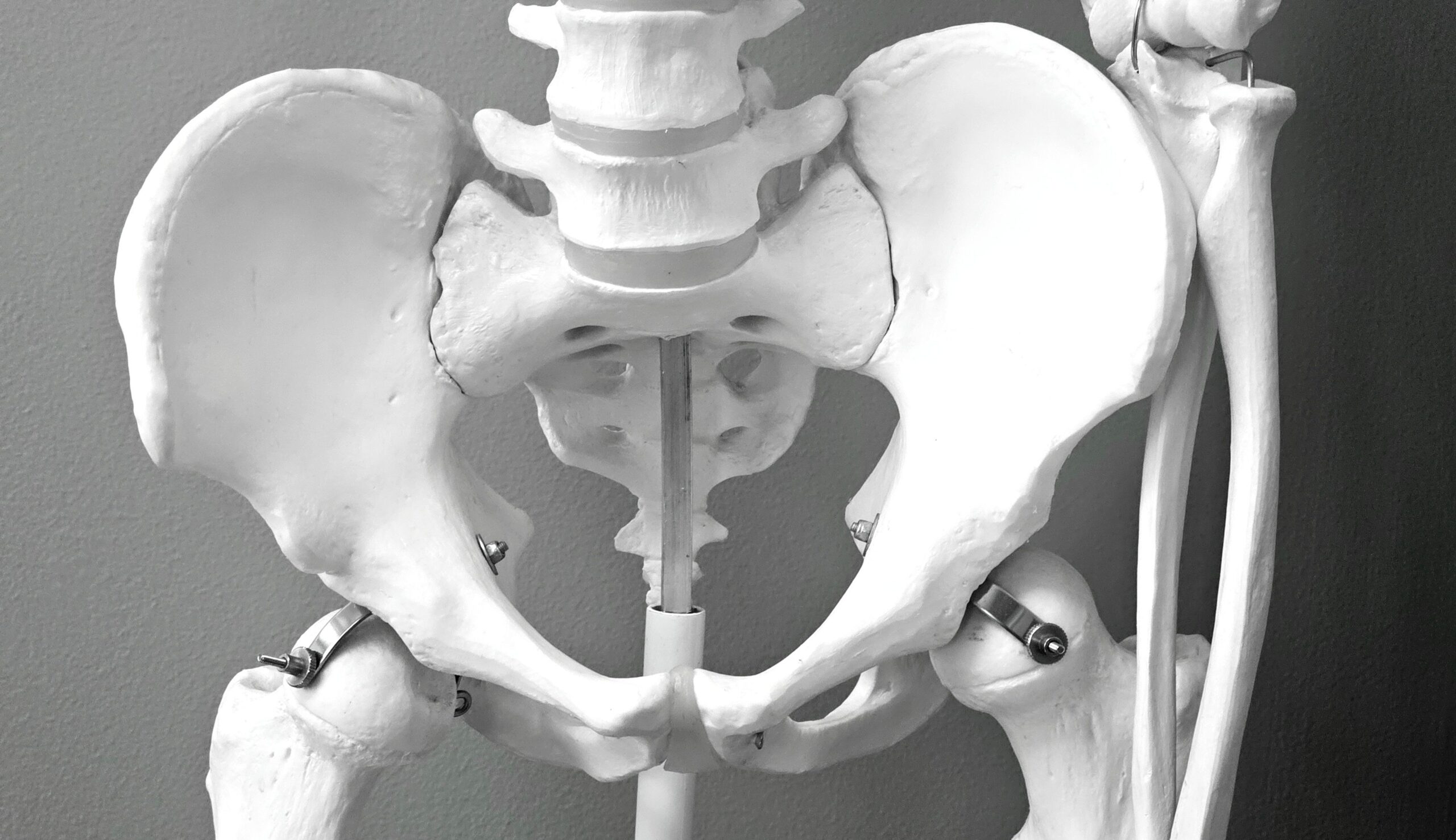
The pelvic floor is a hammock-like group of muscles stretching from the pubic bone to the tailbone. Think of it as the floor of your core. It supports your bladder, bowel, and internal reproductive organs, and it creates stability throughout your body’s center, allowing you to maintain posture, balance, and effective movement. You actually have 14 pelvic floor muscles that intertwine and layer together to form a sheet of muscle.
That is not a small system. That is a significant network of tissue doing quiet, constant work every single day, whether you acknowledge it or not.
The pelvic floor works in sync with the diaphragm and deep abdominal muscles to regulate pressure within the abdomen. Each time you breathe in, the diaphragm descends and the pelvic floor gently responds by lengthening downward. As you exhale, they recoil together. This rhythmic partnership keeps the core stable and the organs supported.
Here is what most training programs miss: this is not an isolated muscle. It is part of a system. And when that system breaks down, the effects ripple outward into everything else you do.
Weak Pelvic Floor Symptoms: Do Any of These Sound Familiar?
This is the section most people skip because they think it does not apply to them. Do not skip it.
When the pelvic floor is weak or fatigued, it can cause symptoms including leaking urine when jumping, running, laughing, or sneezing; a frequent and urgent need to urinate that is hard to delay; and a feeling of heaviness or bulging near the vaginal area, which could indicate pelvic organ prolapse.
For men, the picture looks a little different but is just as real. Common signs of pelvic floor weakness in men include urinary leakage with coughing or lifting, difficulty stopping the flow of urine, dribbling after finishing at the toilet, reduced erectile firmness, early ejaculation, or a feeling of pelvic heaviness or fatigue. These are not “normal aging” issues. They are often signs of a system that has lost strength or timing.
Other signs worth paying attention to across all genders:
- Lower back or hip pain without a clear cause
- Reduced core stability or difficulty bracing under load
- Discomfort or pain during sex
- A sense of incomplete emptying of the bladder or bowels
If two or more of these sound familiar, your pelvic floor deserves attention. Not tomorrow. Now.
Why Pelvic Floor Dysfunction Affects More People Than You Think
Here is one of the most persistent myths in fitness: pelvic floor problems are a women’s issue. That is simply not accurate.
Approximately 32% of women and 16% of men suffer from at least one pelvic floor dysfunction. And those numbers are almost certainly low, because the symptoms are embarrassing and often go unreported for years.
Pelvic floor dysfunction affects up to 50 percent of women who have given birth, and up to 16 percent of men.
And here is something that might surprise you: it is not just sedentary people who struggle. In a study of 325 athletes at the 2024 World Athletics U20 Championships, 43.7% reported pelvic floor dysfunction symptoms. Fewer than 30% were even aware of pelvic floor health, and 88% had never undergone screening.
Nearly half of elite young athletes had pelvic floor issues, and most of them did not know it was something to think about.
This is exactly what I mean when I say we are drowning in information but starving for guidance. The pelvic floor is one of the most overlooked areas in fitness, and yet it touches nearly every aspect of physical performance and quality of life.
In my honest opinion, I would guess that a lot of the men that have any of these issues are athletes. I’ve gotten checked before. I had no idea about a lot of this, despite understanding the musculature or the purpose behind the muscles of this region if you will. Also, I bet that the percentages above are at least somewhat off because of a lot of people not knowing. This is such a new thing, I bet the numbers are skewed quite a bit.
5 Reasons to Strengthen Your Pelvic Floor Muscles Starting Now
1. You Build a More Powerful Core
Your pelvic floor muscles are part of your core and contribute to your overall core strength and stability. The core can be thought of as an anatomical box composed of the abdominals in front, the paraspinal and gluteal muscles in back, the diaphragm at the top, and the hip girdle and pelvic floor muscles at the bottom.
A strong pelvic floor supports and improves your physical performance, whereas a weak pelvic floor can lower your stamina and hinder your ability to react properly to mishaps like falls, potentially leading to significant pain and injury.
If you have ever been told your core is weak, there is a real chance your pelvic floor is part of the problem. No amount of crunches is going to fix it. This will take a lot more deep work and a different type of focus to either fix or to just simply address in order to understand solid next steps forward.
2. You Get More Power Out of Every Movement
Strengthening your pelvic floor will increase your strength and lumbopelvic stability, which allows for improved coordination and power through your upper and lower extremities. Higher core and spinal stability provide a more stable base, which allows the force generated by the upper or lower extremity muscles to efficiently transform into work. When the core is unstable, it will absorb the force generated, meaning less force transforms into work.
Translation: a stronger pelvic floor means more power in every lift, every sprint, every athletic movement. Research has shown that baseball pitchers with better lumbopelvic control demonstrated better accuracy and endurance. The same principle applies to runners, weightlifters, and anyone who moves under load.
3. You Reduce Your Risk of Injury
The pelvic floor muscles, in conjunction with the diaphragm and transversus abdominis, increase intra-abdominal pressure and provide stability to the lumbar spine. Core stability training has been reported to be useful in preventing injury and improving performance in sports.
Before you ever begin to lift an arm to put a dish away, your deep core muscles are activating to provide stability before your arm moves. This is critical to prevent low back, hip, and pelvic joint injuries or dysfunction.
Your body is supposed to brace before it moves. When the pelvic floor is weak, that protective response breaks down. Injuries follow.
4. You Get Better Bladder and Bowel Control
This one is direct. When you strengthen your pelvic floor muscles, you gain benefits like better bladder control, decreased pelvic pain, and more pleasurable sex. It might be good to re-read those again!
In a systematic review of training interventions for pelvic floor muscle function, 14 out of 15 analyzed studies showed improvement in pelvic floor function related to urinary incontinence. That is an almost universal success rate. This can be very powerful, especially long term.
5. You Protect Your Long-Term Quality of Life
Research has emphasized the importance of the pelvic floor not just for bladder and bowel control, but also for core stability, sexual function, posture, and overall quality of life. The pelvic floor requires ongoing attention and maintenance throughout your life, much like other important muscle groups.
This is the long game. Building strength now protects you later.
How to Strengthen Pelvic Floor Muscles: The Exercises That Actually Work
Here is something I always say: before chasing goals or aesthetics, we make sure you know how to move well. The pelvic floor is no different. You have to find the muscles before you can train them.
Step One: Locate Your Pelvic Floor Muscles
Imagine you are trying to stop passing gas. Squeeze the muscles you would use to do that. If you sense a pulling feeling in your vaginal or rectal area, you are squeezing the right muscles. Alternatively, while urinating, try to stop your urine midstream. The muscles you squeeze to stop the urine flow are your pelvic floor muscles. Do not make a habit of doing Kegel exercises while urinating on a regular basis, as stopping your bladder from emptying completely could increase your risk for a bladder infection.
Once you can feel them, you can train them with intention. Do not rush this step.
Exercise 1: Kegel Exercises (The Foundation)
Kegel exercises were named for gynecologist Dr. Arnold Kegel, who invented them as a non-surgical treatment for pelvic organ prolapse and urinary incontinence. They work for men and women.
How to do them: Sit or lie comfortably. Contract your pelvic floor muscles as if stopping the flow of urine. Hold for 5 to 10 seconds, then fully release. Rest for a few seconds. Repeat 10 to 15 times for 3 to 5 sets per day.
The release is just as important as the contraction. A pelvic floor that is always braced is not a healthy one.
One important warning: Resist the urge to do more than recommended. Too many Kegels can over-strengthen your pelvic floor muscles, lead to muscle fatigue, and make problems like urine leakage worse. It’s arguably hard to get to this point, but just like drinking too much water, you can of course do too much of a good thing.
Exercise 2: Quick Flick Kegels (Speed Training for Your Pelvic Floor)
This rapid “squeeze and release” exercise builds the pelvic floor muscles’ ability to respond quickly. Squeeze the muscles as quickly as possible and release them without attempting to sustain a contraction. Rest for 3 to 5 seconds. Repeat 10 to 20 times, twice a day.
This trains the reflex response, which is the fast contraction your body needs to prevent leakage during a cough, sneeze, or sudden movement. Honestly, until studying this more, I hadn’t heard of this type of exercise.
Exercise 3: Glute Bridges (Full-Body Pelvic Floor Work)
Lie on your back with your knees bent and your feet hip-width apart. Your heels should be on the ground. Place your arms at your sides with your palms facing down. Inhale and press your hips toward the ceiling. Hold for 10 to 15 seconds while breathing in and out. Slowly lower back down. Repeat 10 to 15 times for one set. Work up to two sets.
Focus on consciously engaging your pelvic floor as you lift. Over time this becomes automatic.
Exercise 4: Narrow Squats (Functional Strength)
Stand with your feet shoulder-width apart. Lower your body as if sitting back into a chair, keeping your chest and back straight. Engage your pelvic floor muscles as you lower and rise. Aim for three sets of 10 to 15 squats, gradually increasing the intensity as your strength improves.
Note: Not all squats target the pelvic floor. Wide-legged or deep squats may make retaining a pelvic floor contraction difficult. Keep your stance moderate and your focus intentional.
Exercise 5: Diaphragmatic Breathing (The One Most Coaches Skip)
This one surprises people. But breathing is training. Honestly breath training is always hard to even remember to do, let alone know anything about it. It really helps in many areas of life. Your diaphragm has muscles that need to be trained too.
The pelvic floor muscles work in tandem with the diaphragm and can aid in endurance and recovery by improving breathing mechanics.
Breathe into your belly, not your chest. Inhale slowly through your nose and let your belly rise. As you exhale, gently draw your pelvic floor upward. This reconnects the diaphragm-to-pelvic-floor relationship that is essential for full-body stability. Do this for five minutes every morning. The cumulative effect over weeks is real.
Exercise 6: Pelvic Tilts (Core and Floor Together)
Pelvic tilts help strengthen your lower back and abdominal muscles, contributing to pelvic floor stability. Lie on your back with your knees bent and feet flat on the floor. Tighten your abdominal muscles and press your lower back into the floor. Hold for a few seconds, then release. Repeat 10 to 15 times, gradually increasing as your muscles become stronger.
Common Mistakes That Kill Your Progress
Holding your breath. This is the most common error. Breath and pelvic floor are a team. Holding your breath spikes abdominal pressure and can worsen symptoms over time.
Doing only Kegels and stopping there. Kegels are a tool, not a complete program. You need to integrate pelvic floor activation into full-body movements to get real, lasting benefit.
Never relaxing. A chronically tight pelvic floor is a dysfunctional one. Tension without release causes pain, not progress. The goal is coordination: knowing how to contract and how to let go completely.
Squeezing the wrong muscles. It is very important that you keep your stomach, thigh, and buttock muscles relaxed while doing pelvic floor exercises. Squeezing the wrong muscles can put more pressure on your bladder and make leakage worse.
Expecting overnight results. If you do Kegel exercises regularly, you can expect results within a few weeks to a few months. In one study, significant improvements were seen after just four weeks, with participants doing two exercise sessions of 20 minutes each per day. Consistency beats intensity every time.
When to See a Pelvic Floor Specialist
Pelvic floor training can be largely self-directed. But there are times when you need a specialist, and knowing when to ask for help is part of doing the work right.
See a pelvic floor physical therapist if:
- Your symptoms are significant, frequent, or getting worse
- You have pain during sex or anywhere in the pelvic region
- You have had surgery, childbirth, or a pelvic injury
- You are unsure whether you are engaging the right muscles after two to three weeks of trying
- You have been consistent with exercises for six to eight weeks with no improvement
Just like any muscle, your pelvic floor can become overly tight. This condition, known as hypertonic pelvic floor, can cause similar symptoms as a weak pelvic floor. A pelvic floor physical therapist can assess whether your muscles are too weak or too tight and guide you in performing the right exercises safely and effectively.
There is no shame in getting the right help. Getting the right guidance is the intelligent move, not the last resort.
Frequently Asked Questions About Pelvic Floor Strengthening
How do I know if my pelvic floor is weak?
The most common signs are leaking urine when you cough, sneeze, laugh, or exercise; a sudden urgent need to urinate that is difficult to control; reduced core stability during heavy lifts; lower back pain without a clear cause; and pelvic heaviness or discomfort. If any of these sound familiar, your pelvic floor likely needs attention. A pelvic floor physical therapist can confirm it with a proper assessment.
Can men do pelvic floor exercises?
Absolutely. The male pelvic floor muscles support the bladder and bowel and affect sexual function. Kegel exercises can help strengthen these muscles, and with practice, you can do Kegels just about anytime. Men benefit from pelvic floor training for bladder control, core stability, injury prevention, and sexual health.
How long does it take to strengthen the pelvic floor?
If you do Kegel exercises regularly, you can expect results within a few weeks to a few months. Most people notice meaningful improvement within four to eight weeks of consistent daily practice. Results depend on the severity of weakness, how consistently you train, and whether you are targeting the right muscles with correct form.
Can you strengthen your pelvic floor without doing Kegels?
Yes. While Kegels are effective, they are not the only option. Glute bridges, narrow squats, pelvic tilts, diaphragmatic breathing, and bird-dog exercises all engage and strengthen the pelvic floor as part of broader movement patterns. In fact, integrating pelvic floor activation into full-body exercises is often more functional and sustainable than isolated Kegels alone.
What happens if you never address a weak pelvic floor?
Over time, an untrained pelvic floor contributes to worsening bladder or bowel control, reduced core stability, increased injury risk, lower back and hip pain, and diminished athletic performance. Pelvic floor disorders are disabling and cause embarrassment, can lead to social isolation, affect the performance of tasks, cause loss of personal and intimate relationships, and reduce participation in leisure activities. The cost of ignoring it compounds over time.
Is it possible to over-exercise the pelvic floor?
Yes. More is not better here. Over-exercising can cause muscle fatigue and actually increase urine leakage. If you feel any discomfort in your abdomen or back while doing these exercises, you are probably doing them wrong. Start with the recommended sets and repetitions, focus on full relaxation between contractions, and build gradually.
The Bottom Line
The pelvic floor is not a trend. It is not a women’s issue. It is not optional.
It is the foundation of your core, the base of your movement, and a major player in your long-term health and performance. Neglect it and you will eventually feel the cost, whether through back pain, injury, leaking, or lost power in your training.
Train it, and you build something real.
I have always believed that strength is not just what you can see. It is what holds you together when things get hard. Your pelvic floor is part of that. And now you have the knowledge and the tools to strengthen it.
Show up for this one. It is worth it.
Jeff Wilson is a personal trainer with 14 years of experience helping people rebuild strength, resilience, and confidence through movement. He takes a holistic approach to fitness that addresses the whole person, not just the muscles you can see.
No Comments