.png)
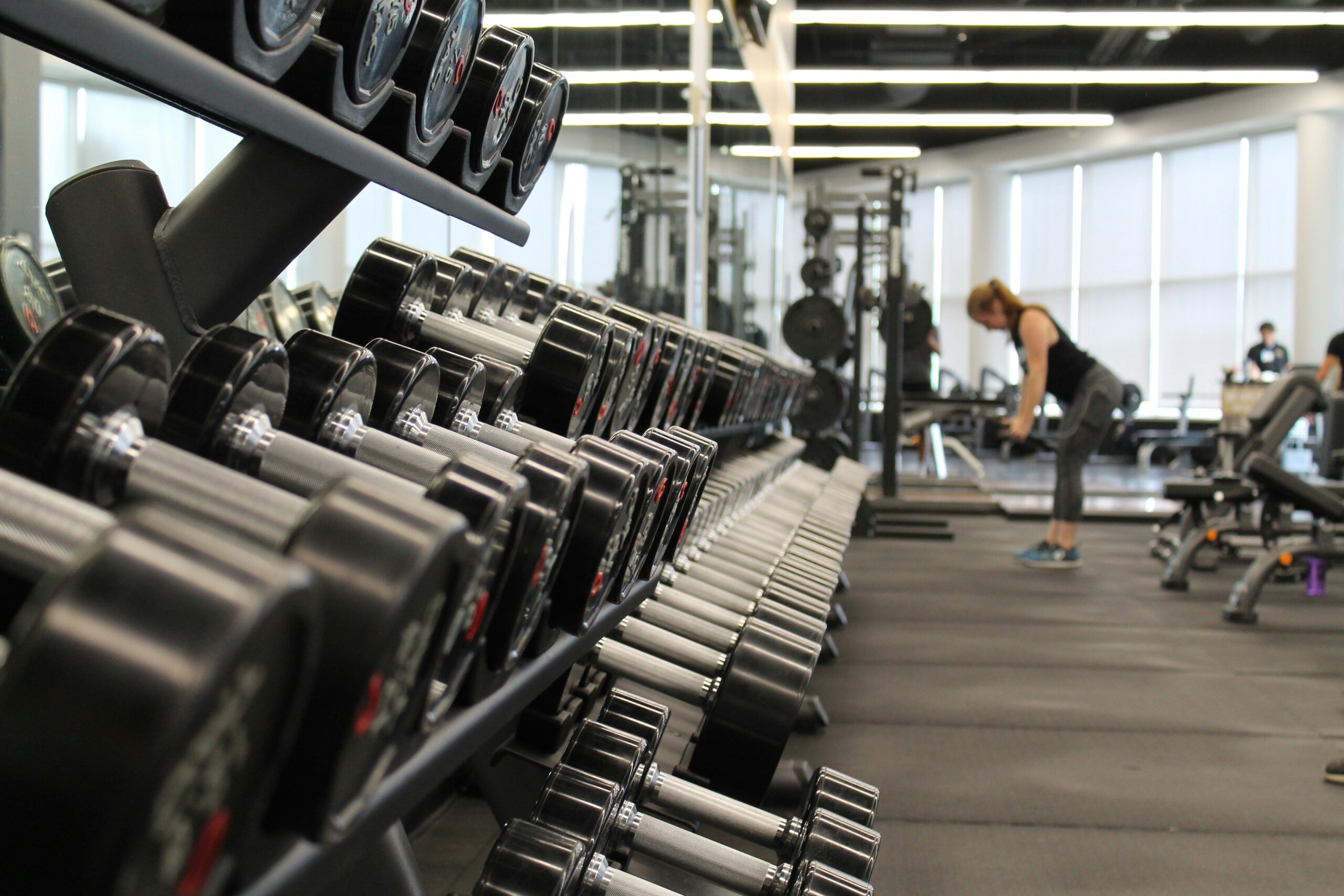
If you’re trying to figure out how to start working out, you’re not alone. Most people know they should start exercising. But knowing and doing are two different things. And in a world with endless fitness trends, HIIT videos, “miracle” workout routines, and apps promising a shredded body in 30 days, it’s easy to feel lost before you take your first step. Heck, even I sometimes get lost in the sea of content. It’s overwhelming, but staying there is unnecessary and unhelpful to your journey.Here’s the truth:You don’t need perfection. You don’t need a hardcore workout plan. You don’t need the “right” gear, the newest fitness program, or a personal trainer yelling over loud music.You need something real. Something sustainable. Something built on intention, resilience, and consistency, not hype. That’s the heart of how I coach, and it’s why this guide exists.Let’s walk through a grounded, honest path to building your first exercise routine, one that fits your life, respects your body, and actually helps you move forward.
Most people think they need motivation to start exercising. But motivation is unreliable. Consistency comes from something deeper. Clarity, intention, and a willingness to show up even on the messy days. That’s resilience, and resilience can be trained. So before you download a workout app or worry about a workout routine, ask:
Your fitness goals don’t have to be profound. They can be as simple as:
This is where every good personalized workout plan begins.
If you’re wondering how to start working out without feeling overwhelmed or getting hurt, here’s the one rule that matters:
The physical activity guidelines from health and human services might recommend 150 minutes per week of moderate intensity exercise, but you don’t need to start there. You don’t even need a full workout plan on day one.Start with what fits your life:
You don’t earn extra points for suffering. Overdoing it too soon slows progress, increases muscle recovery time, and makes most people quit.Your only job is to begin, and to begin gently.
Real progress doesn’t start with heavy weights. It starts with learning to move well. (insert link to last article?)Before you jump into high intensity interval training (or intensity interval training HIIT as it’s sometimes called), start by getting familiar with your:
This is where many beginners get lost. They start a fancy workout routine before they’ve learned how their joints and muscles actually work together.Movement quality comes before movement quantity.That’s not a slogan. It’s the foundation that keeps you from injury and helps you build real, long-term strength.
Strength training isn’t just for bodybuilders or the avid “gym goers”. If you want to lose weight, gain muscle, improve body composition, or simply feel capable again, strength training is non-negotiable.You can start with your own body weight:
(try this link to 2 quick workouts that you can access right away and get started!)These exercises hit multiple muscle groups at once, improve overall fitness, and don’t require equipment.Once you’re confident in your movement patterns, you can begin adding resistance training with free weights or bands.Add Cardio But Don’t Let It Run the ShowAerobic exercise is powerful for:
But cardio machines and HIIT circuits can wait until you’ve built a solid base.Begin with:
Cardio is a tool, not your identity. Variety is what makes a body strong.Side note: Ever wanted to learn how to run properly? Try this mini-series out to learn how to get started running today.
Your first workout schedule doesn’t need to be complex. It only needs to be realistic.Here’s a simple beginner-friendly weekly routine:Day 1: 10-20 minutes of strength trainingDay 2: Light cardio or brisk walkingDay 3: Rest day or yoga/mobilityDay 4: Strength trainingDay 5: 15-20 minutes of low>moderate intensity cardioDay 6: Brisk walk & some light stretchingDay 7: Rest dayBuild slowly. Consistency matters more than intensity.
A fitness tracker or fitness app can help you track progress, but don’t obsess over numbers. Track what changes:
This is the real data that matters.
Working out is only part of the equation. To actually build muscle mass, lose weight, improve body composition, and gain muscle, you need:
Your body is rebuilding itself. Treat it like something worth caring for.
If you’re unsure where to start or feel pain during movement, check in with a healthcare provider, health care professional, or certified personal trainer. Sometimes a professional eye makes all the difference in avoiding injury and improving confidence.And if you can, find a workout buddy. Having someone to show up with (even virtually) helps you stay motivated and stick to a new workout routine for longer.
If you’re still wondering how to start working out, here’s your answer:You start by starting. (insert first article again)You start by showing up, imperfectly.You start by giving yourself permission to move without shame, pressure, or impossible standards.You start by remembering your body isn’t broken. It’s waiting for you.Fitness isn’t about trends or hacks. It’s about building something real: strength, resilience, and a life that can stand up to whatever comes next.And you don’t have to do it alone.Whenever you’re ready, I’ll walk beside you. Not to hold your hand, but to help you build the kind of strength that lasts far beyond the gym. One grounded step at a time.Want to work with me? Schedule a quick 15 minute call and see if we’re a good match! I work both in-person and online.